Serving Weston, FL and surrounding areas. (786) 957-5827
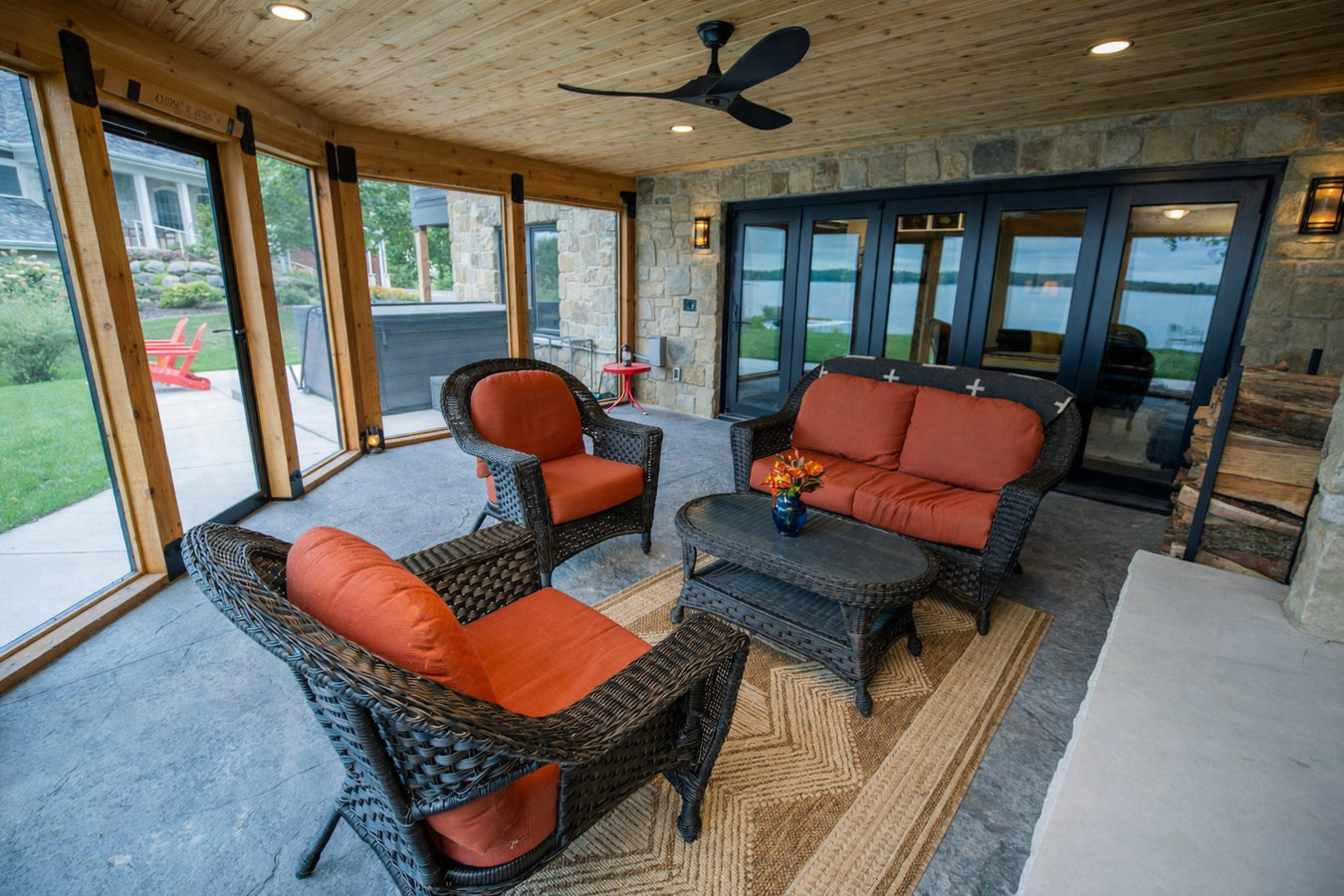
WaveVista Weston Sunrooms & Patios serves Coral Springs with custom sunrooms, screen enclosures, and patio covers built to Broward County code and designed to meet the HOA approval requirements common throughout this planned community. We reply within one business day and provide free written estimates with no pressure to commit.
Coral Springs HOAs often have specific design requirements for exterior additions - roof pitch, material color, window style - that make off-the-shelf sunroom kits a poor fit. Our custom sunroom designs are drawn to match your home's existing roof style and meet your HOA's approval criteria before we ever submit a permit.
Many Coral Springs homes back up to canals or retention ponds - beautiful views that come with heavy mosquito pressure in the summer months. A properly built screen enclosure lets you enjoy the water view year-round without the bugs, and we engineer all frames to Broward County wind load requirements.
Coral Springs' daily summer thunderstorms make open patios hard to use from June through October. Enclosing an existing concrete patio with screens or vinyl windows turns that dead space into a room you can use all year, and the existing slab keeps the project cost down compared to a full addition.
Coral Springs sits inland from the coast, which means more intense summer heat and humidity than oceanside cities nearby. A properly insulated four season sunroom with its own climate control stays comfortable even when outdoor temperatures push into the mid-90s - making it genuinely usable space, not just a seasonal room.
Ranch and two-story homes from the 1970s and 1980s that make up much of Coral Springs often have rear yards with plenty of room to add living space. A sunroom addition expands your square footage without the cost and complexity of a full home addition, and the finished room ties into your existing floor plan for a natural flow.
Coral Springs HOAs typically require patio covers to complement the existing roofline in material and color. We design covers that satisfy those requirements while solving the practical problem of afternoon rain making your patio unusable for half the year. A solid patio cover also blocks direct UV that degrades outdoor furniture and flooring.
Coral Springs was built as a planned community starting in the 1960s, and that planning shows in the city today - uniform lot sizes, consistent architectural styles, and active HOA oversight in most neighborhoods. That last point is the one most homeowners run into first when they want to add a sunroom or screen enclosure. HOAs here regularly reject exterior additions that don't match the community's material standards, roof pitch, or color palette. A contractor who doesn't account for HOA requirements in the design phase will hand you a permit application that your association won't approve - costing you weeks of back-and-forth. Permits go through Broward County's building department, and the county uses the Florida Building Code's wind load requirements for all exterior structures.
The housing stock itself also matters. Most Coral Springs homes were built between the late 1960s and early 1990s, which puts them in the 30-to-55-year-old range. Tile roofs and CBS (concrete block and stucco) construction are the norm, and while those materials hold up well in Florida's climate, attaching a new structure to an older CBS wall requires checking anchor points and evaluating the existing stucco before fastening anything. Many properties also back up to canals, which means rear setback requirements and soil conditions near the water's edge need attention in the design phase.
Our crew works throughout Coral Springs regularly, and we understand the local conditions that affect sunroom contractor work here. Broward County's building code requirements for Coral Springs projects follow the Florida Building Code's wind load standards for inland Broward County, and we design all projects to those specifications from the start. The city sits at the far western edge of Broward County, right where suburban development meets the Everglades edge, which means the afternoon thunderstorm season here can be intense - homeowners on the western side of the city often see heavier rain than those closer to the coast.
Mullins Park and the Coral Springs Center for the Arts are reference points most long-term residents recognize immediately - homes in the neighborhoods around those landmarks represent some of the city's most established family neighborhoods where homeowners are investing in additions rather than moving. The canal network running through the city's planned neighborhoods means a large share of the homes we visit have rear-facing lots with water views.
We also serve Cooper City to the south and Tamarac to the southeast, so if you have neighbors or family members in those cities who need the same work, we can take care of them too.
Call or submit a request online. We reply within one business day and set a time to visit your home - no obligation to commit, and you don't need to do anything in advance to prepare.
We measure your space, review your rear and side setbacks, and ask about your HOA requirements if applicable. You receive a written estimate covering all project costs before we move forward - no hidden fees added later.
If your neighborhood requires HOA approval, we prepare the necessary documentation and help you submit it. Once HOA sign-off is in hand, we file the permit with Broward County and manage the review process on your behalf.
With permits approved, our crew builds on the agreed schedule. We schedule and pass the county's final inspection, then walk through the completed project with you to answer any questions before we close out.
We serve all neighborhoods in Coral Springs, FL - from canal-view lots near Mullins Park to the western edges of the city. Free estimates with no-pressure quotes.
(786) 957-5827Coral Springs is a city of about 134,000 people in western Broward County, developed starting in 1963 as one of Florida's first master-planned communities. Most of the housing was built during a 25-year period that ran from the late 1960s through the early 1990s, giving the city a cohesive character - single-family ranch and two-story homes with tile roofs, stucco exteriors, and relatively uniform lot sizes between 6,000 and 10,000 square feet. According to published accounts, about 70% of housing units here are owner-occupied - a high rate by South Florida standards - and the city consistently ranks among the safest and most family-oriented in the state. Residents tend to stay long-term and invest in their properties.
The Coral Springs Center for the Arts, Mullins Park, and the city's extensive canal network running through its planned neighborhoods are the landmarks most residents use to orient themselves. Many homes along the canals and retention ponds in the city's interior have rear water views that make screen enclosures and open-air sunroom additions especially popular. Neighboring Cooper City to the south and Plantation to the southeast share similar housing profiles and many of the same HOA and permit considerations.
Enjoy your sunroom year-round with full insulation and climate control.
Learn MoreA comfortable, screened space usable through spring, summer, and fall.
Learn MoreDurable patio covers that provide shade and extend outdoor living.
Learn MoreWe know Broward County permitting, HOA documentation requirements, and the homes here - call now or send a request and we will reply within one business day.