Serving Weston, FL and surrounding areas. (786) 957-5827
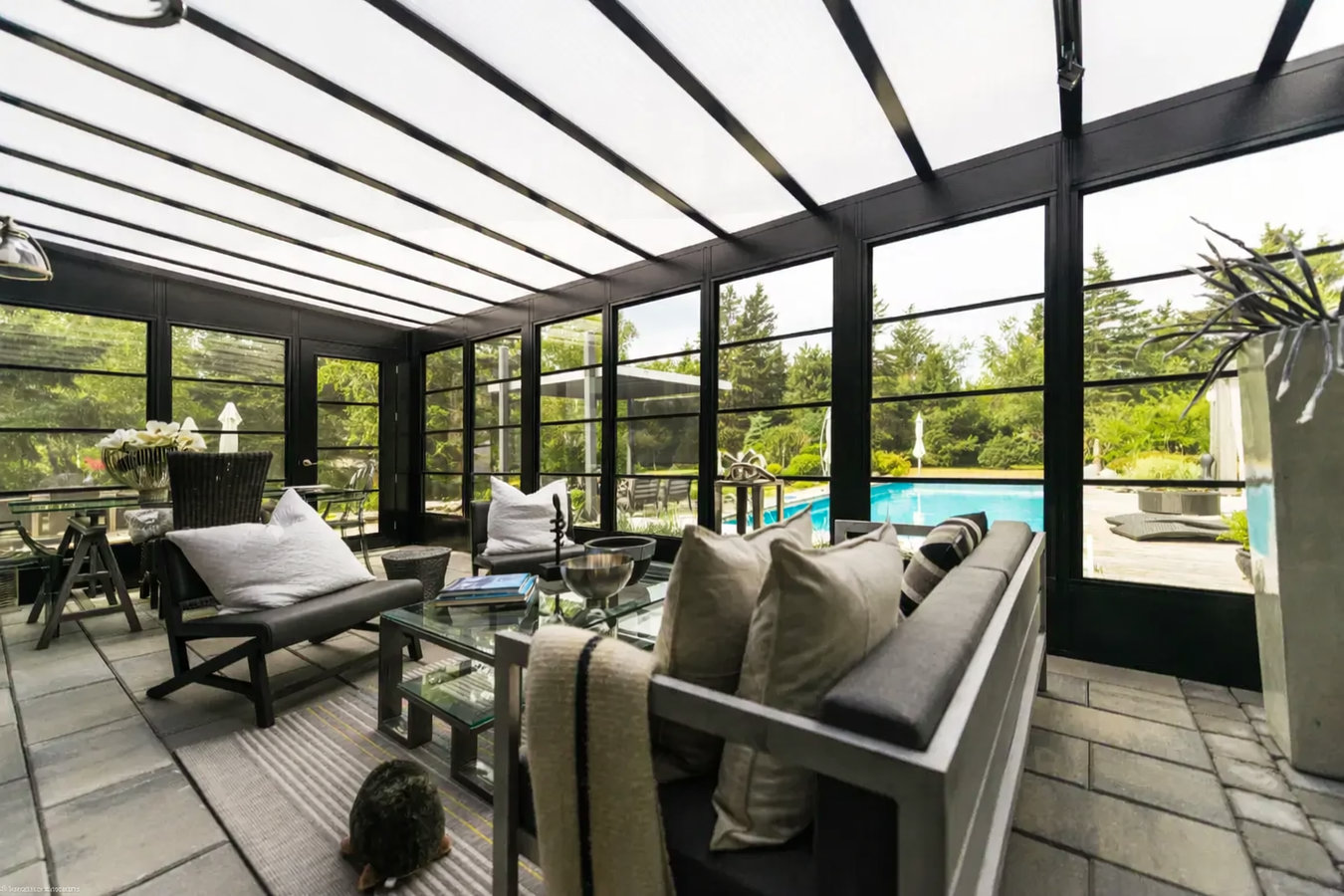
WaveVista Weston Sunrooms & Patios is a licensed sunroom contractor serving Hialeah with vinyl sunrooms, patio enclosures, and screen room installations designed for the city's small lots and Miami-Dade High-Velocity Hurricane Zone standards. We reply within one business day and provide free written estimates before any work begins.
Vinyl frames hold up against Hialeah's daily afternoon rain and intense UV exposure far better than painted wood or untreated metal - they won't rot, rust, or peel. Learn more about our vinyl sunroom installations and how we size each project to fit Hialeah's smaller lot footprints.
Hialeah's afternoon thunderstorms and mosquito pressure make a screened outdoor room one of the most practical upgrades a homeowner here can make. We engineer all screen frames to Miami-Dade High-Velocity Hurricane Zone wind load requirements so your structure stays put when storms roll through.
On Hialeah's smaller lots, a fully enclosed patio turns a modest concrete slab into real living space without taking up additional yard. Enclosing an existing slab keeps project costs down and avoids the permit complexity of adding a new foundation in a tight setback situation.
Many of Hialeah's CBS homes from the 1960s and 1970s have rear yards that never got a finished outdoor room - and the original floor plan left little extra living space inside. A sunroom addition gives you a comfortable room that works year-round in South Florida's climate without a full home addition.
Converting an open concrete patio into an enclosed or screened sunroom is one of the most efficient upgrades available to Hialeah homeowners because the slab foundation already exists. That existing slab cuts project time and materials, which is especially valuable on the city's compact lots where staging space is limited.
Older sunrooms and Florida rooms in Hialeah often have single-pane jalousie windows, deteriorating screen frames, and insulation that was never adequate for today's energy costs. Remodeling an existing structure is typically faster and less expensive than tearing it out and starting over, and it keeps the footprint that already has county approval.
Hialeah falls inside Miami-Dade County's High-Velocity Hurricane Zone, which carries some of the strictest building codes for exterior structures in the country. Every sunroom addition, patio enclosure, or screen room must be engineered to specific wind load ratings and permitted through Miami-Dade before work begins. A contractor who does not regularly pull permits in Miami-Dade will slow your project down and may design a structure that fails inspection. Hialeah's housing stock - mostly concrete block homes built between the 1950s and 1970s - also means older anchor points, aging stucco, and foundation slabs that need evaluation before attaching any new structure.
The climate here is unforgiving in both directions. From June through October, heavy afternoon thunderstorms arrive almost daily, testing every seal, seam, and fastener in your outdoor structure. The rest of the year, relentless UV and heat break down screen mesh, frame coatings, and caulk faster than they would in cooler climates. Flat terrain and poor drainage mean standing water can pool against your foundation and slab after heavy rain, accelerating concrete deterioration. Choosing the right materials - vinyl frames, impact-rated glazing, marine-grade hardware - makes the difference between a structure that lasts two decades and one that needs constant repairs.
Our crew works throughout Hialeah regularly, and we understand the local conditions that affect sunroom contractor work here. Miami-Dade County is our permit authority for Hialeah projects, and our team coordinates directly with the county's building department to keep permit reviews on track. Hialeah's density - roughly 21 square miles home to about 220,000 residents - means lots are tight, neighbors are close, and careful staging matters on every job.
Palm Avenue runs through the heart of the city, and we've worked on homes on both sides of it - from the denser blocks near the city center to quieter streets closer to the Hialeah Gardens and Miami Lakes borders. Homes near Hialeah Park - the historic landmark on the National Register of Historic Places - tend to be older properties from the 1950s and 1960s, and those homes often have Florida rooms or screen enclosures that are overdue for a rebuild or upgrade.
We also work in nearby Doral and Miramar - so if you have family or neighbors in those cities who need the same work done, we can help them too.
Reach out by phone or through our contact form. We reply within one business day and schedule a convenient time to visit your property - no need for you to do any prep work first.
We visit your home, measure the space, confirm Miami-Dade setback requirements for your specific lot, and provide a written estimate before any commitment. We explain every cost item so there are no surprises when the project starts.
Once you approve the estimate, we prepare drawings and submit the permit application to Miami-Dade County. We manage the permit process entirely and update you on review status. Miami-Dade HVHZ reviews typically take 3 to 6 weeks.
After permit approval, our crew builds your project on the agreed schedule. When construction is complete, we do a final walkthrough with you to confirm everything meets spec and address any questions before we close out the permit.
We serve all neighborhoods in Hialeah, FL. Free estimates, written quotes, and no-pressure consultations.
(786) 957-5827Hialeah is the sixth-largest city in Florida, with roughly 220,000 residents packed into about 21 square miles in Miami-Dade County. The city grew quickly during the postwar building boom of the 1950s through the 1970s, and that era of construction still defines most of its residential streets - single-family concrete block homes on small lots, sitting close together, with stucco exteriors and tile or flat roofs. According to historical records, Hialeah has been a predominantly Cuban-American community for decades, with one of the highest concentrations of Hispanic residents of any large city in the United States. Homeownership is a point of pride here, and many families have owned their properties for 20 or 30 years.
The city's most recognizable landmark is Hialeah Park, the historic horse racing track that opened in 1925 and is listed on the National Register of Historic Places. Homes in the neighborhoods surrounding the park tend to be older and often still have their original Florida rooms or open concrete patios. Westland Mall on West 49th Street is a reference point for the western part of the city, and homes in that area are a mix of single-family and smaller multi-unit buildings. Neighboring Doral to the northwest and Miami to the south are the most common reference points residents use when describing where they live.
Enjoy your sunroom year-round with full insulation and climate control.
Learn MoreA comfortable, screened space usable through spring, summer, and fall.
Learn MoreDurable patio covers that provide shade and extend outdoor living.
Learn MoreWe know Hialeah's permit process, lot constraints, and HVHZ requirements - call now or submit a request and we will get back to you within one business day.